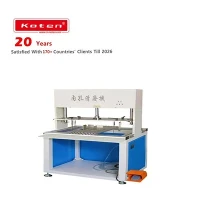

The outlook for book packaging machinery shows a steady upward trend, driven by factors such as the automation of the publishing industry, the growth of print-on-demand services, and the rising demand for eco-friendly packaging.
As post-press processes shift toward continuous and intelligent operations, the demand for book packaging machinery-a critical component of the finished-product output stage-continues to rise. Large-scale printing enterprises, in particular, are increasingly replacing traditional manual packaging with automated systems to enhance overall production efficiency and consistency.
The rise of digital printing has introduced greater flexibility into book production, leading to a significant increase in orders characterized by high variety and small batch sizes. This shift demands greater adaptability and rapid changeover capabilities from packaging equipment, driving the evolution of book packaging machinery toward smarter, more flexible systems capable of meeting diverse production needs.
Amidst increasingly stringent environmental regulations, the adoption of biodegradable materials and streamlined packaging processes is becoming widespread. Consequently, book packaging machinery is being optimized for lower energy consumption, reduced material usage, and compatibility with eco-friendly practices, aligning with the industry's move toward sustainability.
Driven by the advancement of smart manufacturing, future book packaging machinery will increasingly feature automated in-line production, data-driven management, and intelligent inspection capabilities. By integrating with equipment such as book trimmers and perfect binders to form complete production lines, these machines will play an increasingly vital role across the entire publishing value chain.