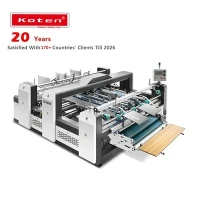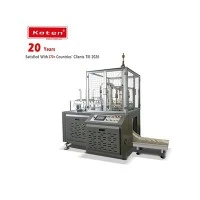

Book packaging machines offer significant value by enhancing production efficiency, ensuring product quality, and optimizing overall production costs; they are indispensable equipment in modern post-press printing and publishing workflows.
These machines enable automated or semi-automated packaging, standardizing processes-such as film wrapping, sealing, and alignment-that traditionally relied on manual labor. This drastically reduces packaging time, making them particularly suitable for mass book production and effectively accelerating overall shipment speeds.
Through precise sealing and cutting controls and consistent packaging techniques, the equipment ensures a uniform appearance and secure seal for every book. It minimizes human errors such as wrinkling or misalignment, thereby enhancing the product's professional quality and market image.
Automated packaging reduces reliance on manual labor and minimizes waste caused by improper handling, thereby improving material utilization rates; in the long run, this helps enterprises control labor and rework costs.
Book packaging machines can be integrated with equipment such as book trimmers and perfect binders to form a linked production line. This creates a more continuous and standardized post-press workflow, facilitating a shift toward large-scale, industrialized production models.