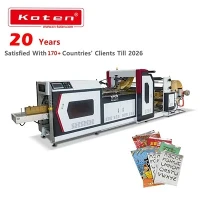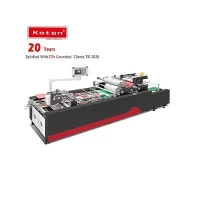

The materials used in automatic perfect binding machines are primarily concentrated in three areas: the structural framework, key moving parts, and the heating and gluing systems. Different materials are selected for specific components based on functional requirements to ensure the equipment's stability, durability, and precision.
The frame and housing typically utilize high-strength steel or thickened cold-rolled steel plate structures, finished with spray coatings or anti-rust treatments. These materials offer excellent load-bearing capacity and vibration resistance, ensuring the machine remains stable and resistant to deformation during high-speed operation.
Moving parts-such as gears, guide rails, and bearings-are generally made from alloy steel or high-hardness, heat-treated metals. These materials provide superior wear and fatigue resistance, extending the equipment's service life and ensuring operational precision.
Glue tanks are typically constructed from high-temperature-resistant stainless steel to withstand the operating temperatures of hot-melt adhesives, while heating elements utilize high-temperature alloys or ceramics to ensure uniform, stable heating and thereby enhance binding quality.
Auxiliary components, such as conveyor belts and pressure rollers, often employ wear-resistant rubber or polymer composites. These materials improve friction and flexibility, ensuring smoother and more reliable paper transport and pressing.