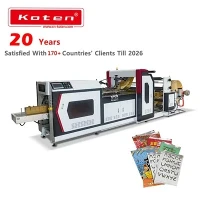

Packaging bag solutions are characterized first and foremost by their flexibility and adaptability. These bags can be customized to suit the specific shape, weight, and usage scenario of various products-whether food, apparel, or daily necessities-achieving an optimal fit through adjustments in material and structure. Furthermore, the high degree of freedom regarding size and style allows them to meet diverse market demands.
Secondly, they offer advantages in terms of cost and efficiency. Compared to rigid packaging, packaging bags require simpler materials and manufacturing processes, effectively reducing overall packaging costs while boosting mass production efficiency. These attributes make them widely applicable in the fast-moving consumer goods (FMCG) and retail sectors, particularly for products requiring high turnover rates.
Thirdly, they strike a balance between functionality and protective performance. Modern packaging bags go beyond basic load-bearing capabilities; through the use of composite materials and multi-layer structural designs, they offer enhanced resistance to moisture, oil, and oxidation, thereby extending shelf life and maintaining product quality. Additionally, features such as resealable closures or easy-tear designs enhance user convenience.
Finally, they integrate brand presentation with environmental sustainability trends. As a medium that interacts directly with consumers, packaging bags often utilize printed designs to strengthen brand recognition. Amidst rising environmental standards, biodegradable materials and recyclable designs are becoming mainstream, ensuring that packaging bags not only fulfill functional requirements but also align with the goals of sustainable development.